
Real Estate Developments Showcasing Innovation and Sustainability
Real Estate Developments Showcasing Innovation and Sustainability
Introduction
- Evolution of modern real estate toward sustainability and technology
- Importance of integrating innovation for long-term environmental and economic benefits
- Role of smart infrastructure and eco-conscious designs
Smart and Sustainable Building Technologies
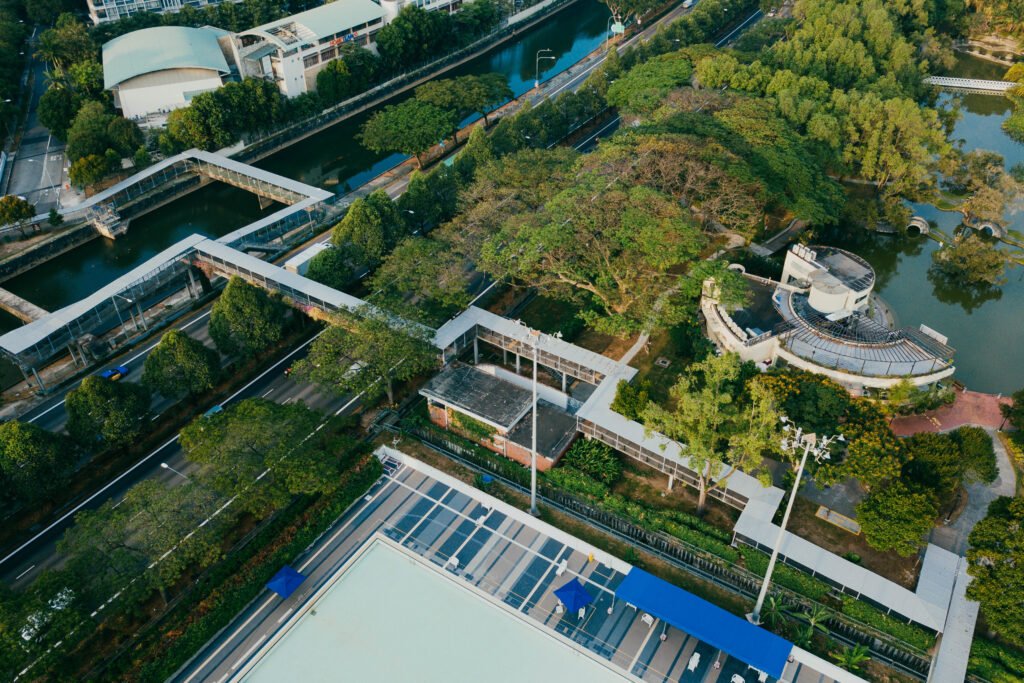
Smart and sustainable building technologies integrate energy-efficient systems, automation, and eco-friendly materials to create greener, smarter structures. These buildings use IoT sensors, smart lighting, and HVAC automation to optimize energy use while reducing waste. Renewable energy sources like solar panels and rainwater harvesting systems enhance sustainability. Innovations such as green roofs, smart grids, and energy-efficient insulation contribute to lower carbon footprints, making buildings more resilient, cost-effective, and environmentally friendly.
- Use of AI-driven energy management systems
- Integration of IoT for efficient utility monitoring and automation
- Smart home and office innovations for improved functionality
Green Building Certifications and Standards
Green building certifications and standards ensure that buildings are designed, constructed, and operated with sustainability in mind. Certifications like LEED (Leadership in Energy and Environmental Design), BREEAM (Building Research Establishment Environmental Assessment Method), and WELL set benchmarks for energy efficiency, water conservation, indoor air quality, and eco-friendly materials. Standards such as Passive House and EDGE focus on energy performance and resource efficiency. These certifications promote environmentally responsible construction, reducing carbon footprints while improving occupant health and long-term cost savings.
- Adoption of globally recognized sustainability frameworks
- Implementation of energy-efficient designs and renewable energy sources
- Focus on water conservation and waste reduction strategies

Sustainable Construction Practices
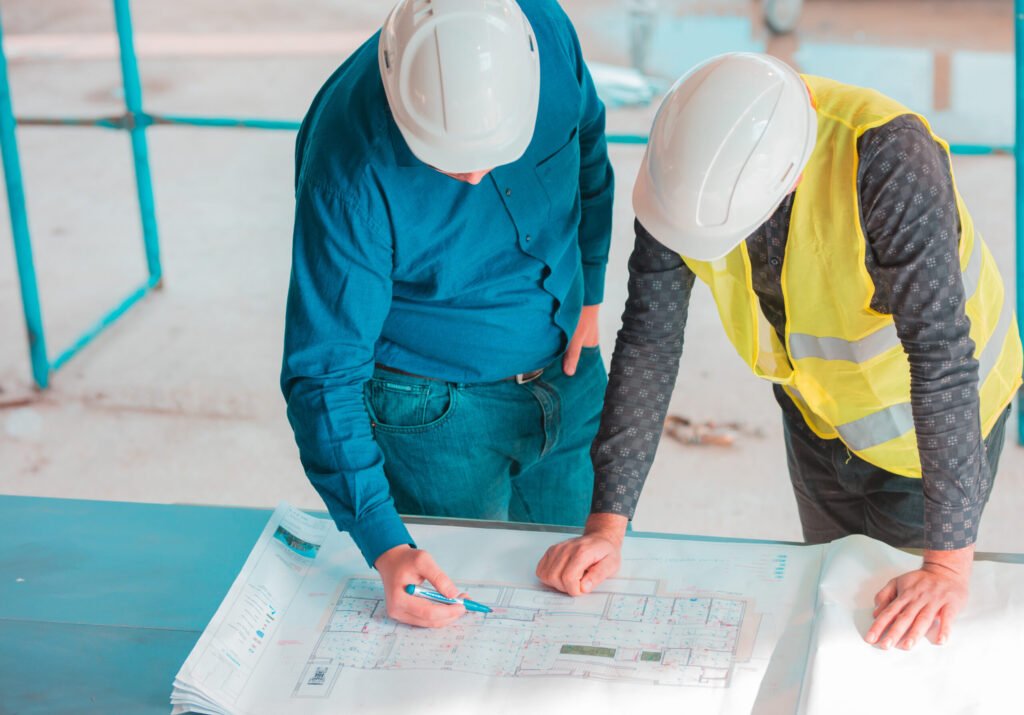
Sustainable construction practices focus on reducing environmental impact while enhancing energy efficiency and resource conservation. These methods include using eco-friendly materials, minimizing waste, and incorporating renewable energy sources. Techniques such as green building design, water-efficient systems, and recycled materials help lower carbon footprints. Sustainable construction also emphasizes durability, energy efficiency, and indoor air quality, creating healthier and more resilient structures for the future.
- Utilization of eco-friendly and recycled materials
- Prefabricated and modular construction techniques for minimal waste
- Strategies for reducing carbon footprint during development
Eco-Conscious Urban Planning
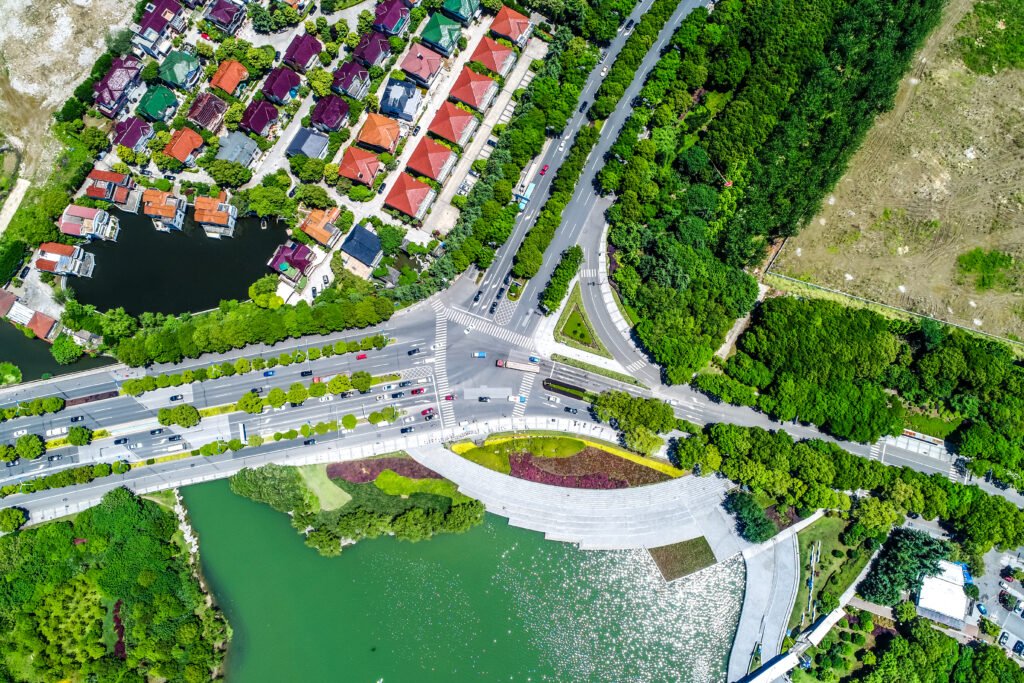
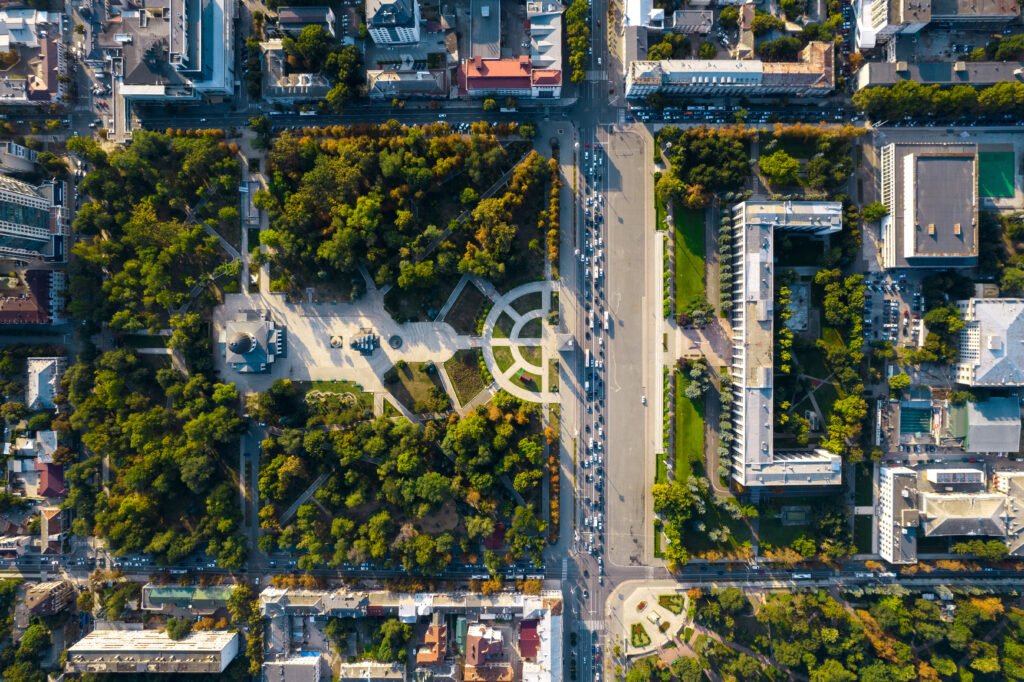
Eco-conscious urban planning focuses on designing cities that prioritize sustainability, resource efficiency, and environmental preservation. It includes green spaces, energy-efficient buildings, sustainable transportation, and smart waste management systems. By integrating renewable energy, water conservation, and eco-friendly infrastructure, this approach reduces pollution, enhances biodiversity, and improves residents’ quality of life. Sustainable urban planning ensures long-term resilience and harmony between urban development and nature.
- Promotion of green spaces and walkable communities
- Integration of mixed-use developments for reduced commuting
- Implementation of sustainable public transport and mobility solutions
Renewable Energy and Resource Management
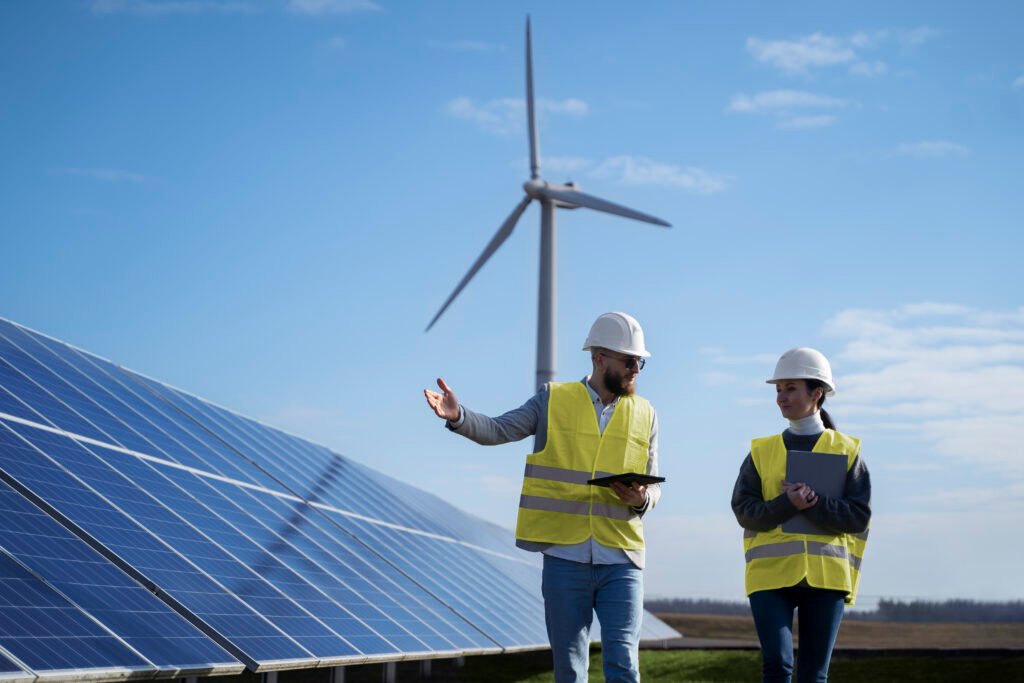
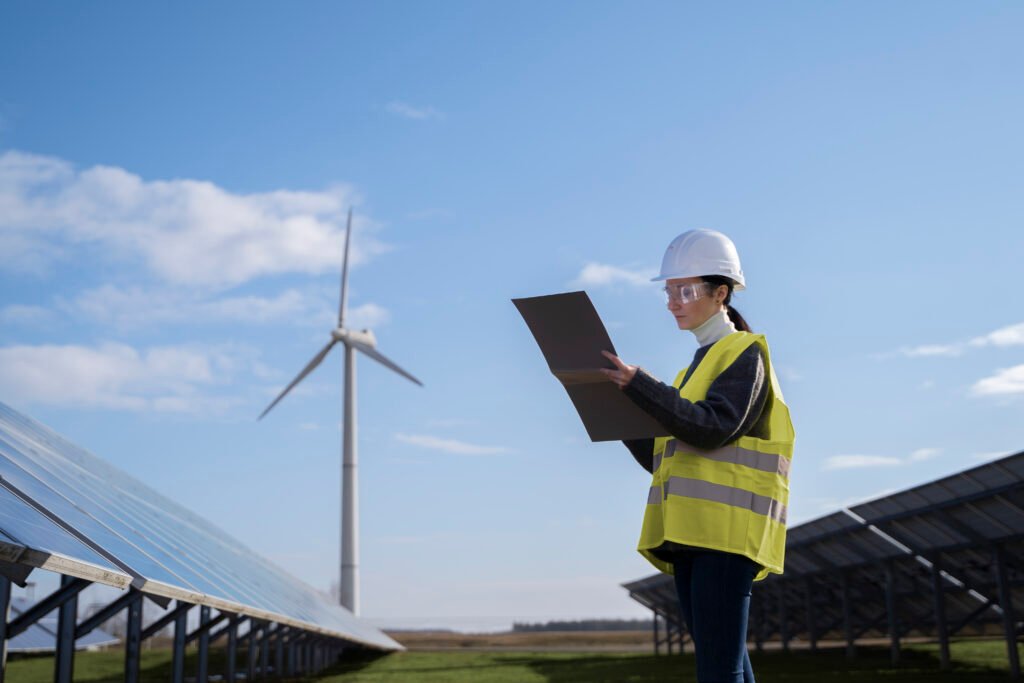
Renewable energy and resource management focus on utilizing sustainable energy sources while efficiently managing natural resources. This includes harnessing solar, wind, hydro, and biomass energy to reduce dependence on fossil fuels. Effective resource management involves water conservation, waste reduction, and sustainable land use to minimize environmental impact. By integrating clean energy and responsible resource practices, societies can ensure long-term sustainability, energy security, and environmental protection.
- Use of solar, wind, and geothermal energy in real estate projects
- Water recycling and rainwater harvesting systems
- Smart grid and energy storage solutions for efficiency
Future Trends in Sustainable Real Estate
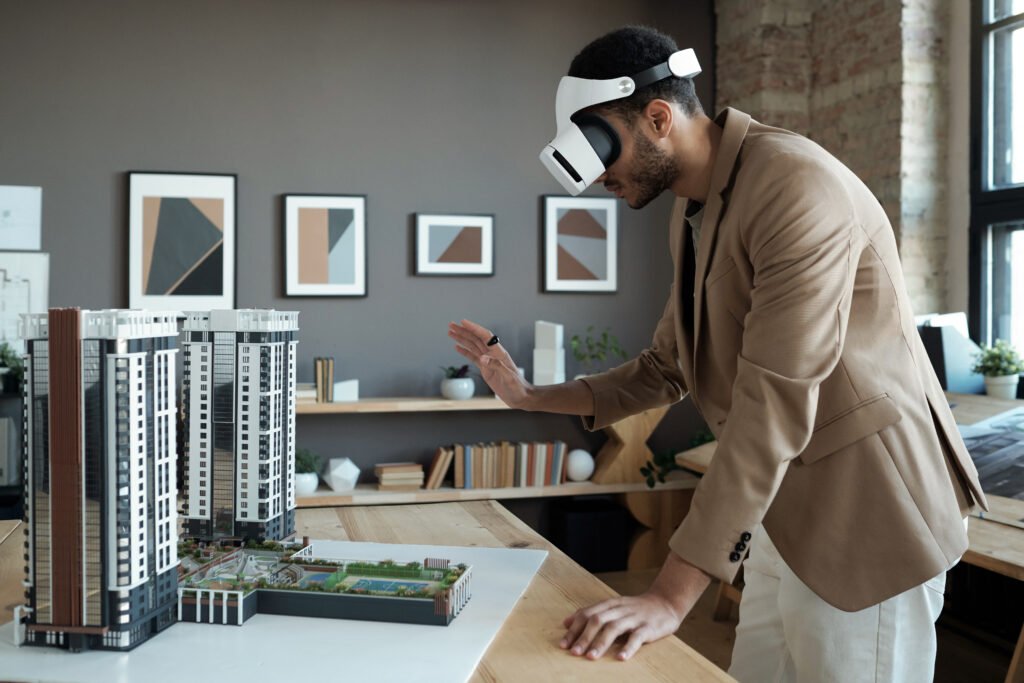
The future of sustainable real estate is driven by smart technology, energy efficiency, and eco-friendly materials. Trends include net-zero energy buildings, green roofs, and the integration of solar and wind power. Smart homes with AI-driven energy management systems are becoming more common, reducing waste and costs. Sustainable urban planning, including mixed-use developments and green transportation, is shaping future cities. As demand for eco-conscious living grows, real estate will continue to prioritize sustainability, resilience, and smart innovation.
- AI and data analytics for smart city planning
- Increased use of automation in property management
- Expansion of eco-friendly residential and commercial spaces

Conclusion
Innovative and sustainable real estate developments are shaping the future of urban living by integrating smart technology, renewable energy, and eco-friendly design. These projects reduce environmental impact, enhance energy efficiency, and promote healthier communities. As sustainability becomes a priority, real estate developers are embracing green building certifications, smart infrastructure, and resilient construction methods. The continued advancement of sustainable real estate will play a crucial role in creating a greener, smarter, and more livable world for future generations.
- The role of developers, investors, and governments in shaping the future
- The growing importance of innovation in real estate sustainability
- Long-term benefits for the environment, economy, and residents